
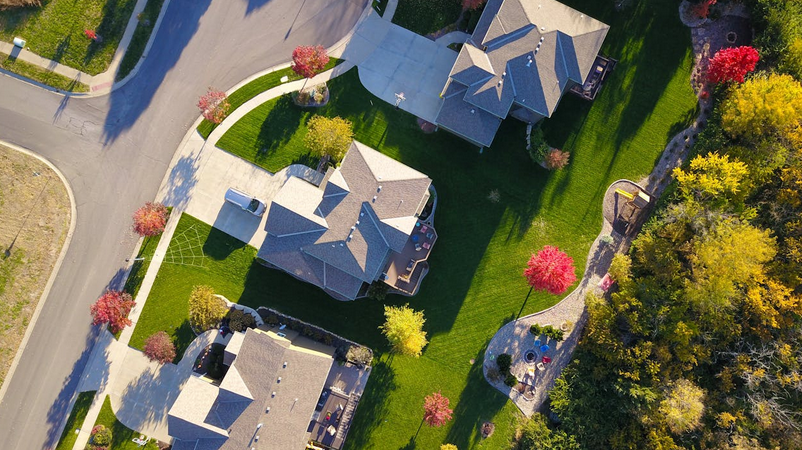
A home’s foundation quietly supports everything above it, yet it is constantly exposed to moisture pressure from soil and weather. Rainwater, groundwater, and poor runoff management can slowly weaken this structure if water is allowed to collect around it. Proper drainage systems play a critical role in directing water away from damage. Many foundation problems begin small, often unnoticed, then grow into expensive repairs. Understanding how drainage works helps homeowners protect both structural stability and long-term property value. With the right systems in place, water becomes a managed element rather than a hidden threat beneath the home.
Preventing Soil Saturation and Pressure Build-up
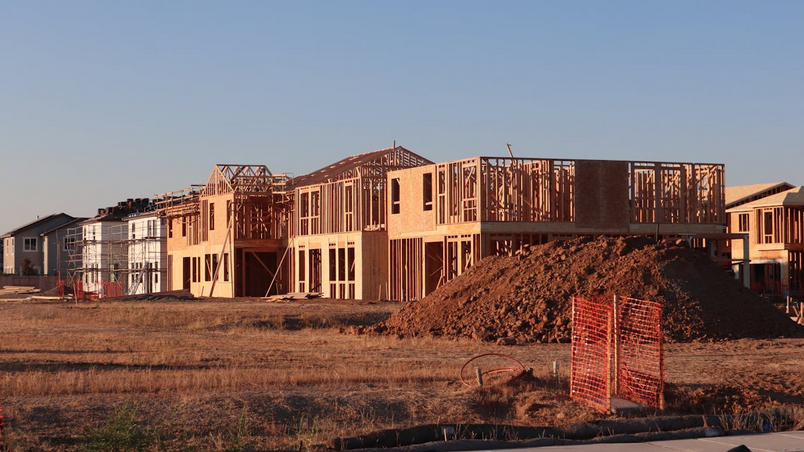
One of the main ways drainage systems protect foundations is by preventing soil from becoming overly saturated. When water builds up in the soil around a home, it increases hydrostatic pressure against foundation walls. This pressure can lead to cracks, bowed walls, or gradual shifting. Drainage solutions, such as perimeter drains and gravel layers, allow excess water to flow away rather than pooling. By maintaining balanced soil moisture, these systems reduce stress on concrete and masonry. Stable soil conditions help foundations remain level and strong through seasonal weather changes.
Reducing Water Intrusion and Structural Damage
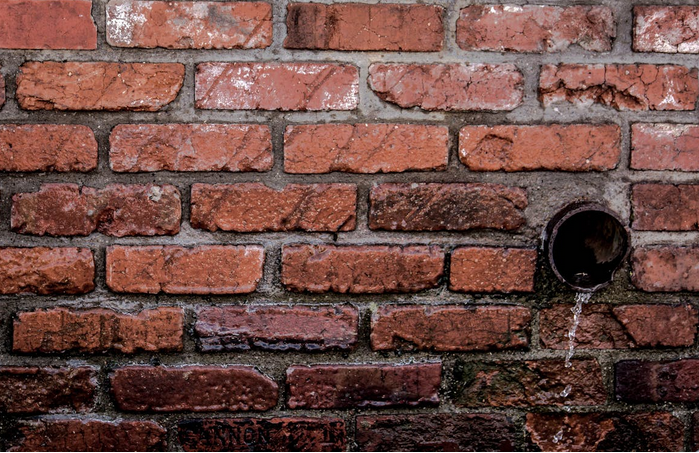
Water intrusion is a leading cause of foundation deterioration. Without proper drainage, rainwater can seep through tiny cracks, joints, or porous materials. Over time, this moisture weakens structural components and encourages mold growth inside basements or crawl spaces. Drainage systems such as downspout extensions, French drains, and surface grading guide water away from vulnerable areas. This reduces the chance of leaks and interior dampness. Dry foundations maintain their integrity longer and require fewer repairs, making drainage an essential part of structural protection rather than a cosmetic upgrade.
Protecting Against Freeze and Thaw Cycles
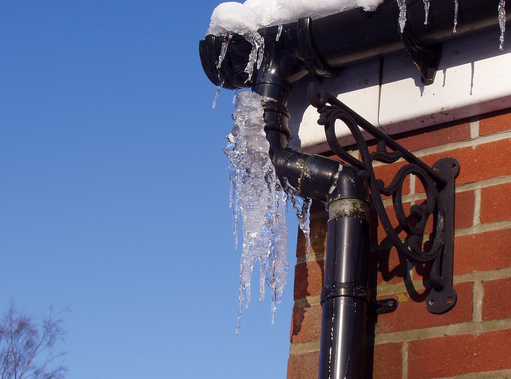
In climates with temperature swings, trapped water poses another serious risk through freeze-thaw cycles. Water that remains near the foundation can freeze during cold periods, expand, and push against concrete surfaces. Repeated cycles gradually widen cracks and weaken materials. Proper drainage limits standing water, reducing expansion pressure during freezing conditions. Even in milder climates, fluctuating moisture levels can cause soil movement, affecting foundation stability. By managing water flow year-round, drainage systems help foundations handle environmental stress without gradual damage.
Proper drainage systems serve as a first line of defense for residential foundations. By controlling soil moisture, reducing water intrusion, and limiting freeze-related stress, they protect the home’s structural core. These systems work quietly in the background, yet their impact is significant over time. Homes with effective drainage experience fewer foundation issues and maintain value more easily. Investing attention in drainage is far less costly than repairing foundation damage later. When water is directed away correctly, foundations stay dry, stable, and dependable for decades.…

 Whether you are a property investor or an agency owner, you have to set your business to expand beyond other people’s achievement. If today, your focus is on residential real estates, then in the next five or ten years, you should aim at the commercial estates.
 In today’s environment, it would be too reckless not to take the Internet into account. This technology is actually a very powerful marketing tool. First, get a website for your company. Remember that it must look professional and active. Visitors will dismiss your web immediately if it seems like it has been dead for a while. Therefore, do not fill your official page with promotional content only, but also put some educational and informative articles there.